Capital Improvements
The physical and online spaces in which our students learn shape their CSP experience. In these spaces, students learn, grow, and build lifelong relationships with their peers and influential faculty and staff. Investments in on-campus facilities and online technology and infrastructure allow CSP to foster these deep, meaningful connections.
Concordia University, St. Paul is blessed with a vibrant, 45-acre campus located in St. Paul, Minn. and smaller campuses in Denver, Colo. and Portland, Ore. With these campuses and the infrastructure needed to support students and create dynamic learning environments, the need to invest in capital improvements is great.
While some institutions grapple with the usefulness of their physical spaces because of dwindling enrollment and financial pressures, we know that our locations in St. Paul and Portland continue to matter to our on-campus students. We do not, however, place value on the physical spaces above that of our learners; those spaces and places exist to serve our students and their needs.
However, the St. Paul is currently landlocked, and facilities on all three campuses require upgrades and renovations to meet continued growth needs for on-campus students. Similarly, technology must advance to serve traditional, commuter, and online learners, providing tools for innovative curriculum and cohesive community-building.
In CSP’s early days, funding for buildings and physical spaces came through The Lutheran Church—Missouri Synod. In more recent years, such funds have come from philanthropy and careful financial stewardship.
In the past 30 years, the campus in St. Paul has seen tremendous growth and change, both in the addition of new spaces and the repurposing of others. Newly constructed buildings in that time include the Gangelhoff Center, EM Pearson Theatre, Library Technology Center, Cross of Christ Fellowship Center, Holst Hall, and Sea Foam Stadium.
Other additions to the physical footprint include the Fandrei Center for athletic staff and functions, and Ries Tower for CSP’s health science programs. Moenkemoller Hall, an outdated apartment building, is now Thompson Hall, which houses CSP’s kinesiology programs and provides additional classroom space. The original 1972 student union was remodeled to serve as the Concordia Art Center. All these physical changes have created new environments for students to live, grow, and learn.
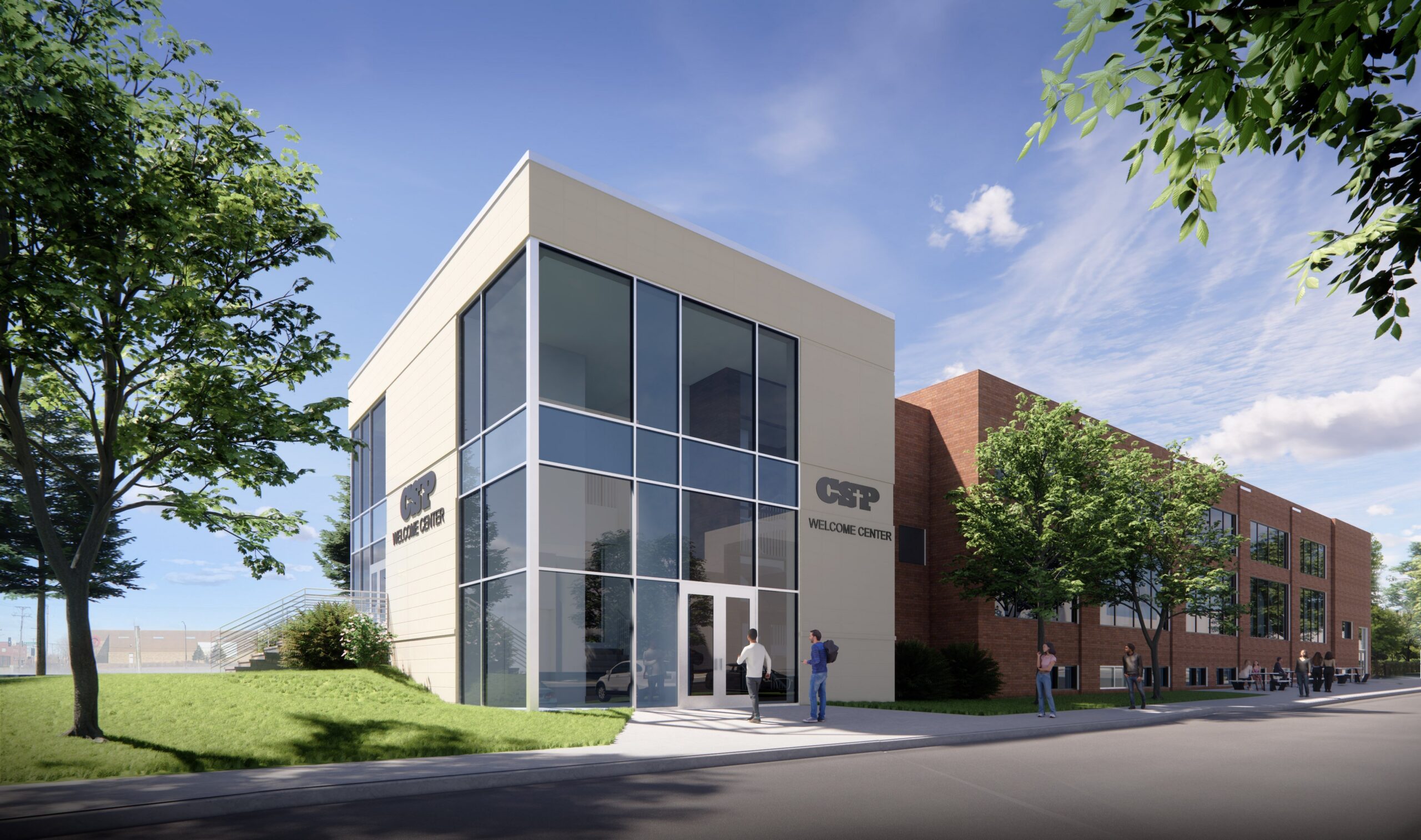
In the summer of 2024, CSP added new entrances on the west and south sides of the St. Paul campus to further enhance accessibility and usefulness of our physical spaces. The Lutheran Memorial Center received a new entrance on Hamline Ave. that provides a more welcoming and effective entry point for prospective students, visitors, and current students complete with an elevator and additional natural lighting.
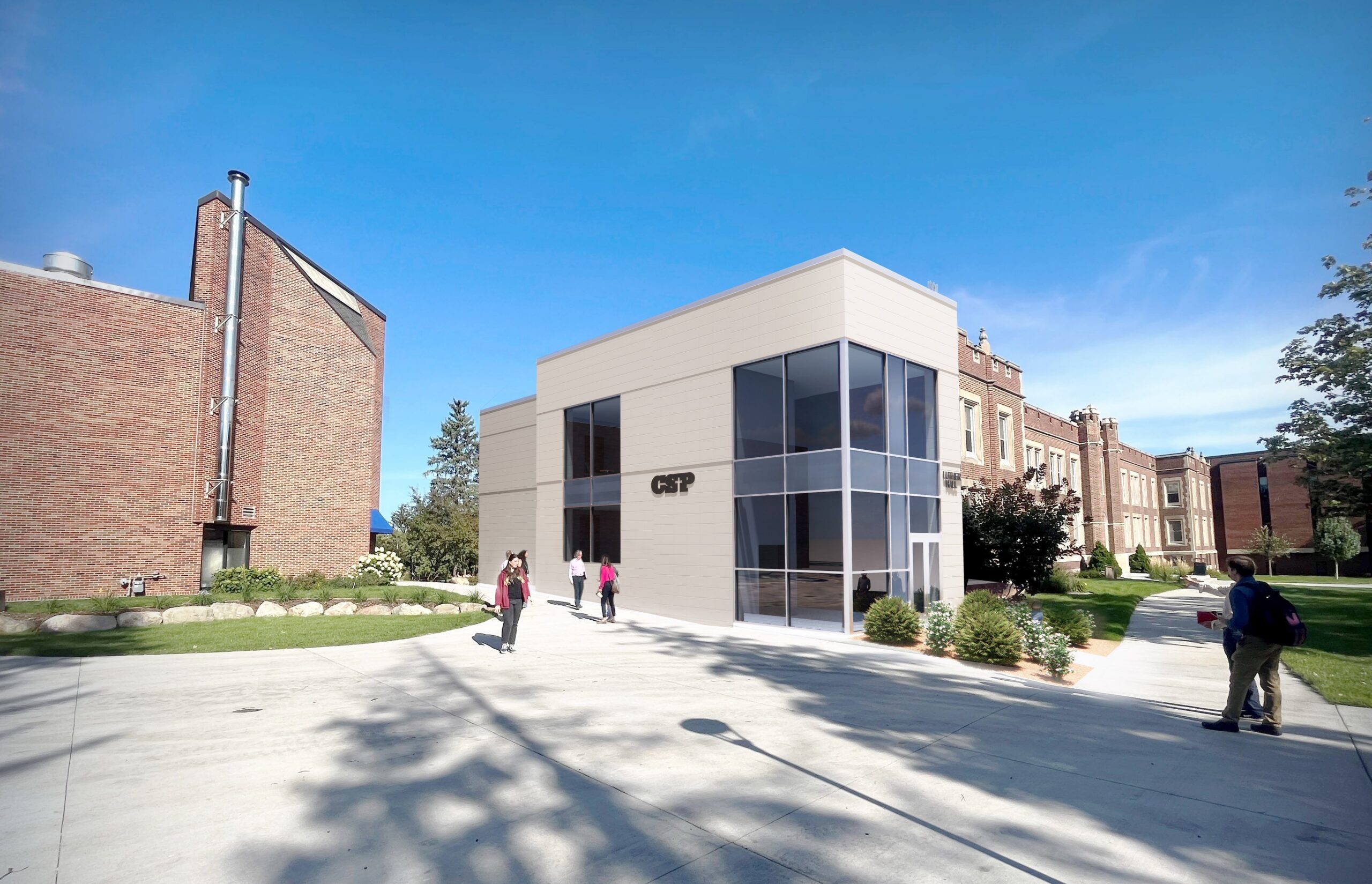
Similarly, Luther Hall received a new entrance on its south end near the Concordia Art Center. This new addition provides an elevator, study space, and a more welcoming feel to those who enter campus from the south.